How can satellite-based data make a difference on the ground?
ESA’s Global Development Assistance (GDA) programme is looking for concrete, documented examples of Earth observation (EO) at work in developing countries. We want to be inspired by real results: decisions improved, services delivered, risks reduced.
The strongest submissions will be promoted through GDA’s communication channels and considered for the GDA Impact Award.
The 2026 edition launched in August 2026.
Submissions open at the end of September 2026 and close on 1 November 2026. Winners will be announced at the award ceremony in early December.
This year, entering is simpler: no separate registration. You register once, when you submit your impact story using the form below.
About the challenge
The ESA GDA Impact Stories from Space Challenge is an open competition for real case studies on the impact of EO technology in developing countries.
The 2026 edition follows a successful first challenge in 2025. Read more about the 2025 winners:
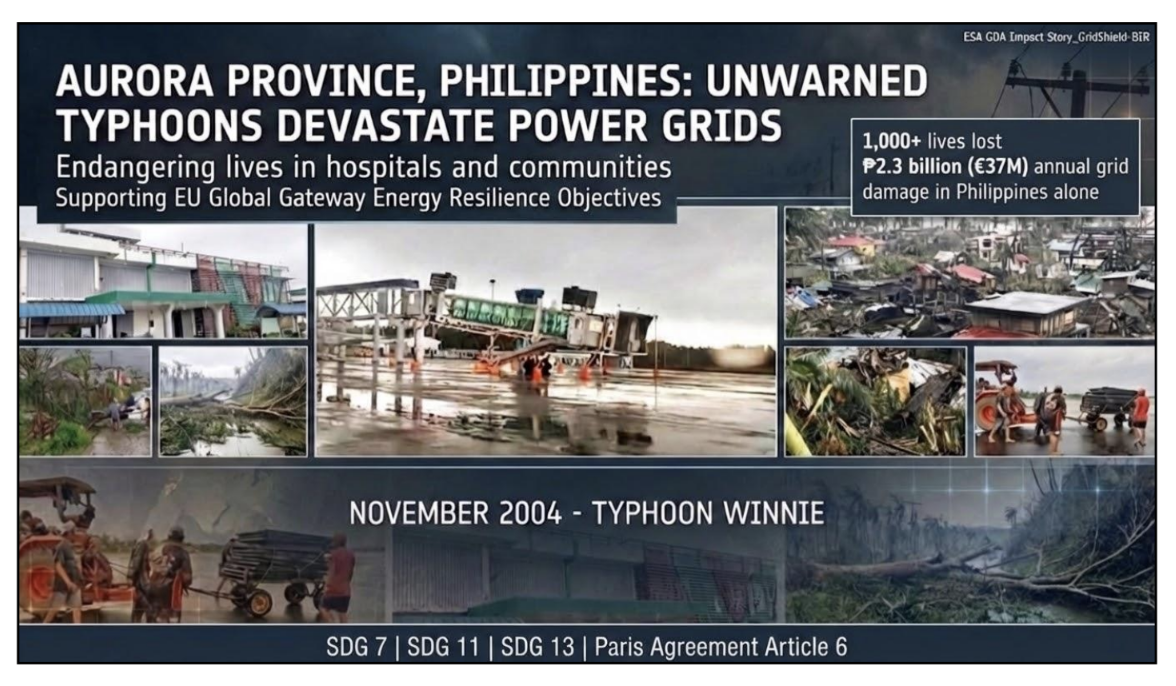
Winner: GridShield
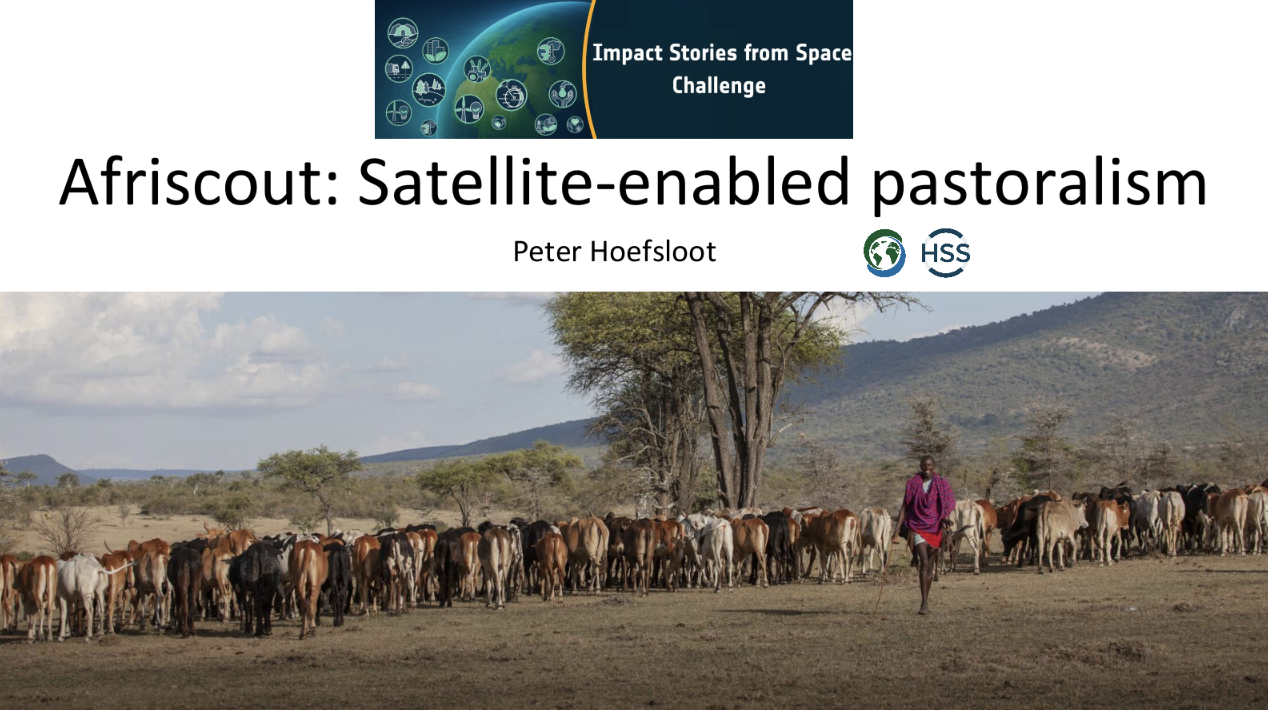
Honourable mention: AfriScout
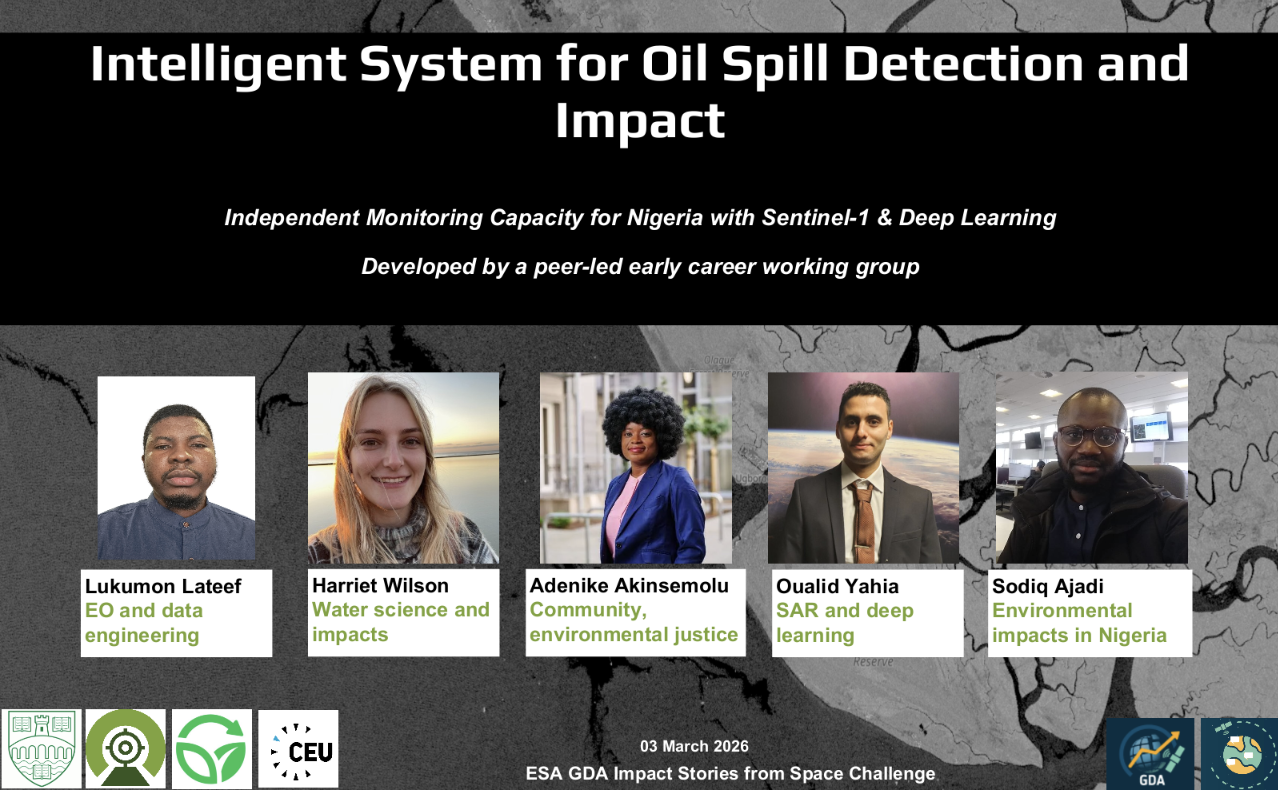
Honourable mention: EO solution for environmental justice
The challenge aims to:
Inspire action by documenting the tangible benefits of EO in global development.
Engage the EO-development community, from governments and NGOs to innovators and citizens.
Reward creativity, collaboration and innovation through recognition and visibility.
Eligibility criteria
Submissions are open to:
Participants in projects and activities funded by IFIs
Activities spearheaded by private-sector EO providers carrying out demonstrations and projects
Stakeholders and partners in developing countries
Participation is limited to:
Entities from or associated with ESA Member States and Cooperating States, or developing countries as defined by the OECD DAC list
EO initiatives that have not been developed through, or presented by, the GDA programme
Submissions can be accepted if at least one box in each of the following points can be ticked.
1. The target area is in a developing country as defined by the OECD DAC list
2. The implementation involves either:
One of the ESA Member States: Austria, Belgium, Czech Republic, Denmark, Estonia, Finland, France, Germany, Greece, Hungary, Ireland, Italy, Luxembourg, the Netherlands, Norway, Poland, Portugal, Romania, Slovenia, Spain, Sweden, Switzerland and the United Kingdom
One of the ESA Associate Member States: Cyprus, Slovakia, Latvia and Lithuania
A European country with an ESA Cooperation Agreement: Bulgaria, Croatia and Malta
A non-European country with an ESA Cooperation Agreement: Canada
A developing country
3. One or more of the following European satellite-based EO data sources is utilised:
Entries must showcase innovative ways of demonstrating impact. Text is supporting material only, up to a maximum of 5 pages
Entries must include multimedia materials (video, animation, interactive maps, story maps, photography). Multimedia and publications do not count towards the 5-page limit
Entries must show EO outputs (rendered maps or imagery, not raw data layers)
Published materials must be scanned in full, including the pages showing publication details (journal title, date and issue)
Referenced websites must be freely accessible; if password protected, include the password
Submissions must be in English or French
The award
The winner(s) of the challenge will receive the ESA GDA Impact Award, rewarding projects demonstrating:
Remarkable and measurable EO role and impact on local, regional or global challenges.
Innovative communication: Projects that bring visibility to the benefits of EO in innovative ways.
Active or recently completed work (completed within the last three years)
A unique or untold story, showcasing EO’s role in delivering transformative solutions
Scalability: projects that can inspire or be replicated elsewhere
Partnership and inclusivity: initiatives that empower local communities, governments or organisations
An expert panel drawn from the ESA GDA team, IFI representatives and communication experts will evaluate all submissions against these criteria.
Prizes
A tiered prize system recognises a range of outstanding submissions. All winning stories gain visibility and promotion through ESA’s GDA communication channels, ensuring your work reaches a wide international audience.