

The programme leverages Earth Observation (EO) technologies to support global development by providing critical data and analytics.
The logic behind the programme's development can be understood through its progressive expansion and deepening impact over time.
2008–2016:
Foundation Laid
ESA's engagement with International Financial Institutions (IFIs) began with 'eoworld', a collaboration between ESA and the World Bank. These early initiatives focused on small-scale demonstrations to raise awareness about the benefits of EO technologies amongst development stakeholders.
These early projects helped build a foundation for understanding the potential of EO in supporting international development.
2016–2019:
Scaling Up
Regional-scale activities under Earth Observation for Sustainable Development (EO4SD) expanded beyond technical demonstrations to include capacity building efforts ensuring that stakeholders could effectively use EO data in their development operations. The initiative consolidated requirements and engaged strategically with development stakeholders.
This period saw a more structured and strategic approach to integrating EO into development operations, setting the stage for broader impacts. EO4SD continued until 2024, with the last activity (EO4SD Forest) closing that year.


2019: ESA GDA
Programme Launch
GDA's journey officially began in 2019. Launching at the ESA Space19+ Ministerial Council. The launch of the GDA programme marked a significant milestone, building on the precursor initiatives and expanding reach and ambition.
Partnership with World Bank and Asian Development Bank: Strategic partnerships with major international financial institutions bolstered the programme's impact and resource mobilisation.

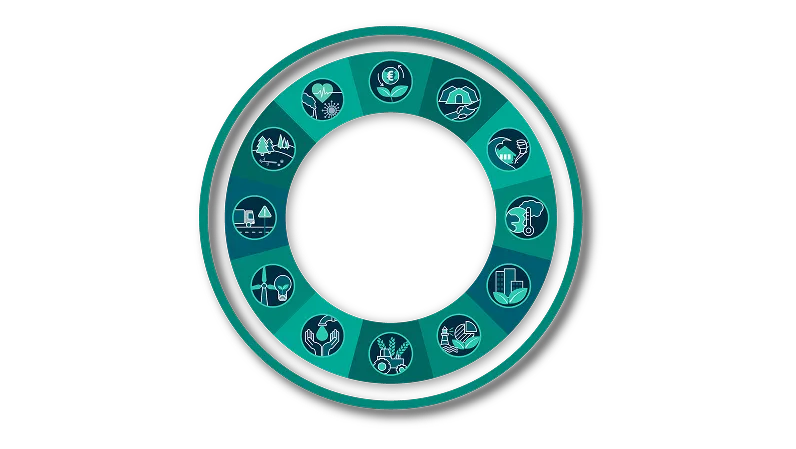
2020–2024: Operational Integration and further cooperation with
IFIs
– IDB and IFAD
€100 million mobilised from space and development finance resources: Significant financial resources were dedicated to supporting the programme's objectives.
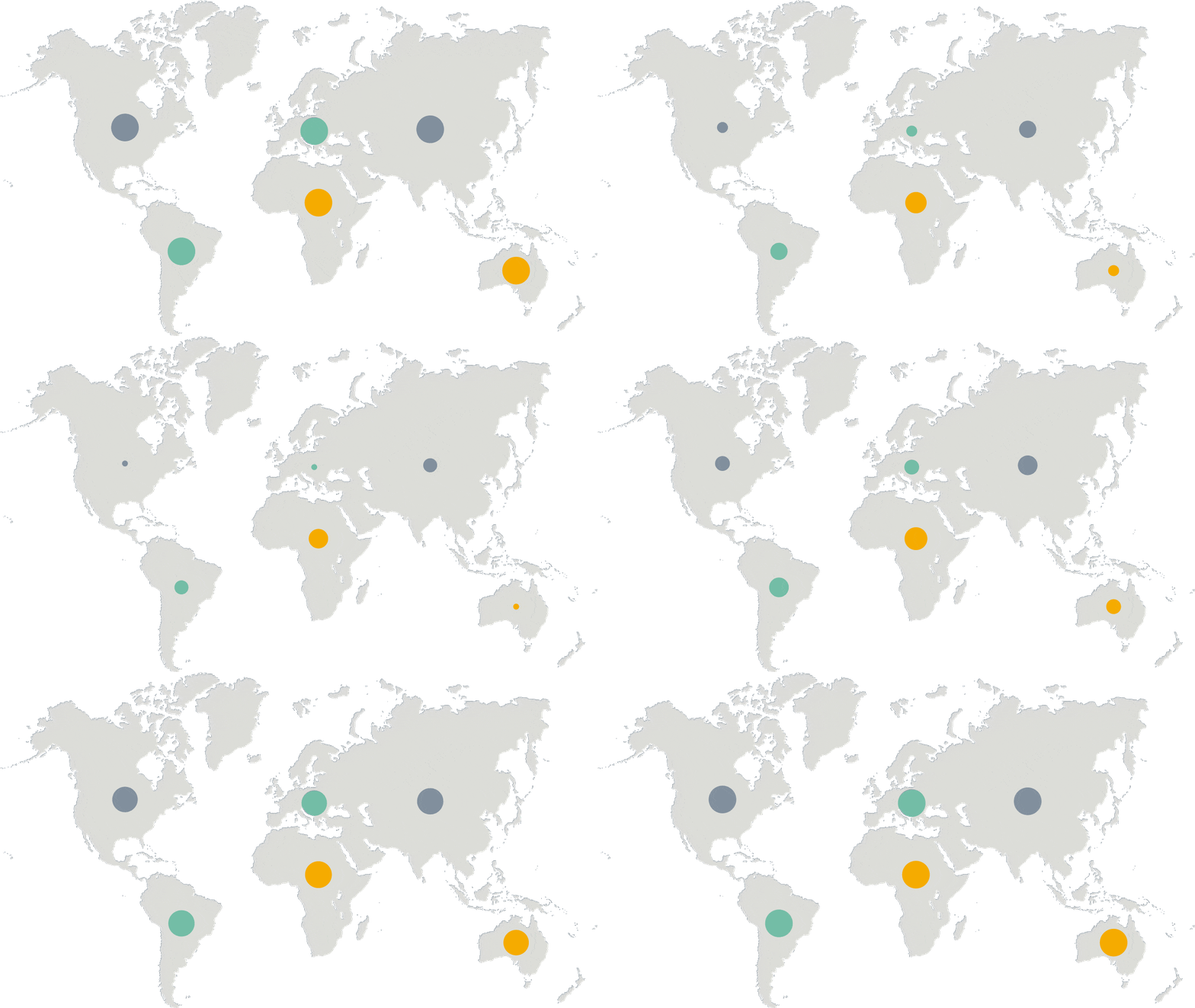
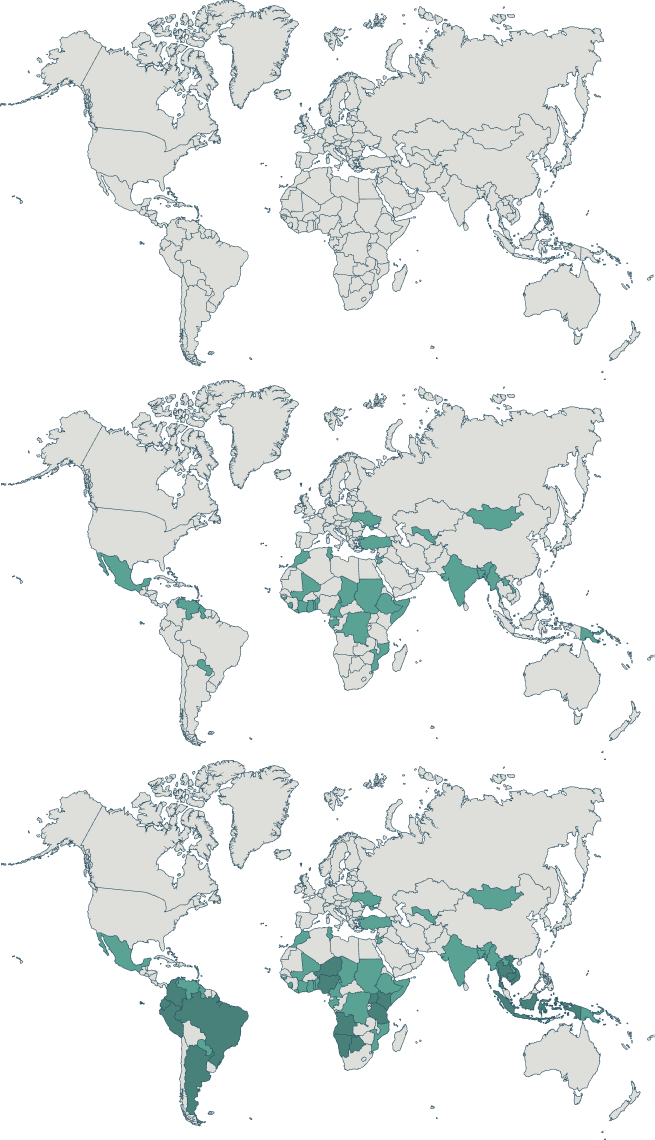
The programme's reach has expanded widely, supporting projects in over 75 countries, with the involvement of 80 European EO service provider companies, highlighting its broad impact.
Development of 95 IFI projects: A diverse range of EO products and information types were developed to support various thematic areas. Establishing new institutional partnerships with IFAD and the Inter-American Development Bank.

The GDA programme introduces a unique crosscutting framework to maximise its impact.
A structured Monitoring & Evaluation (M&E) framework, with a programmatic theory of change and impact pathway, tracks and amplifies GDA’s impact.
The Knowledge Hub (ABC) and GDA Analytics and Processing Platform (APP) work together to centralise resources, aligning EO tools and data with user needs.
The GDA Impact Communication (CCC) area enhances outreach, making insights accessible across diverse sectors and stakeholders.
Innovative tools like the Fast EO co-Financing Facility (FFF) boost GDA’s adaptability, enabling quick mobilisation to respond to emerging development challenges.
This integrated approach sets a new standard within EO, creating a powerful model for supporting global development.
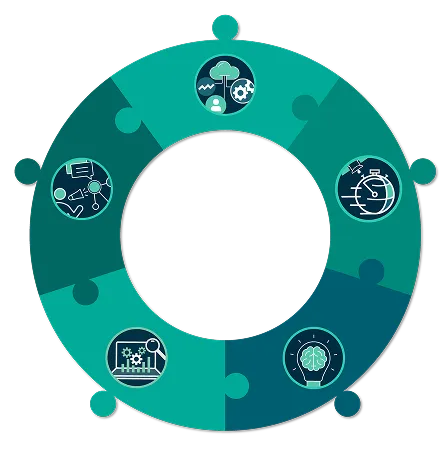
2025 and Beyond: Expansion and Deepening Impact
Wider Adoption: Mainstreaming EO as a part of best-practice in development.
Innovative Tools: Advanced user-oriented software, analytics and communication tools.
Capacity Building: Knowledge resources and tools to support enhanced training for EO information use.
Outlook and Strategy:
Supporting climate and Earth action through the use of EO, with a focus on impact-driven solutions and sustainable development.
Contributing to economic growth, social progress and resilience in developing regions.
Promoting the integration of Earth Observation in impact finance to guide effective and sustainable investments.
Future potential partnerships:
UNOSSC, EBRD: Building new alliances to expand the programme’s reach and strategic effectiveness.


